SummerWorks 2026 Reviews (Part 2): Retina Maneuver (k*hole Karaoke / Ping-Hsiang Wang) and No(body) (Syreeta Hector)
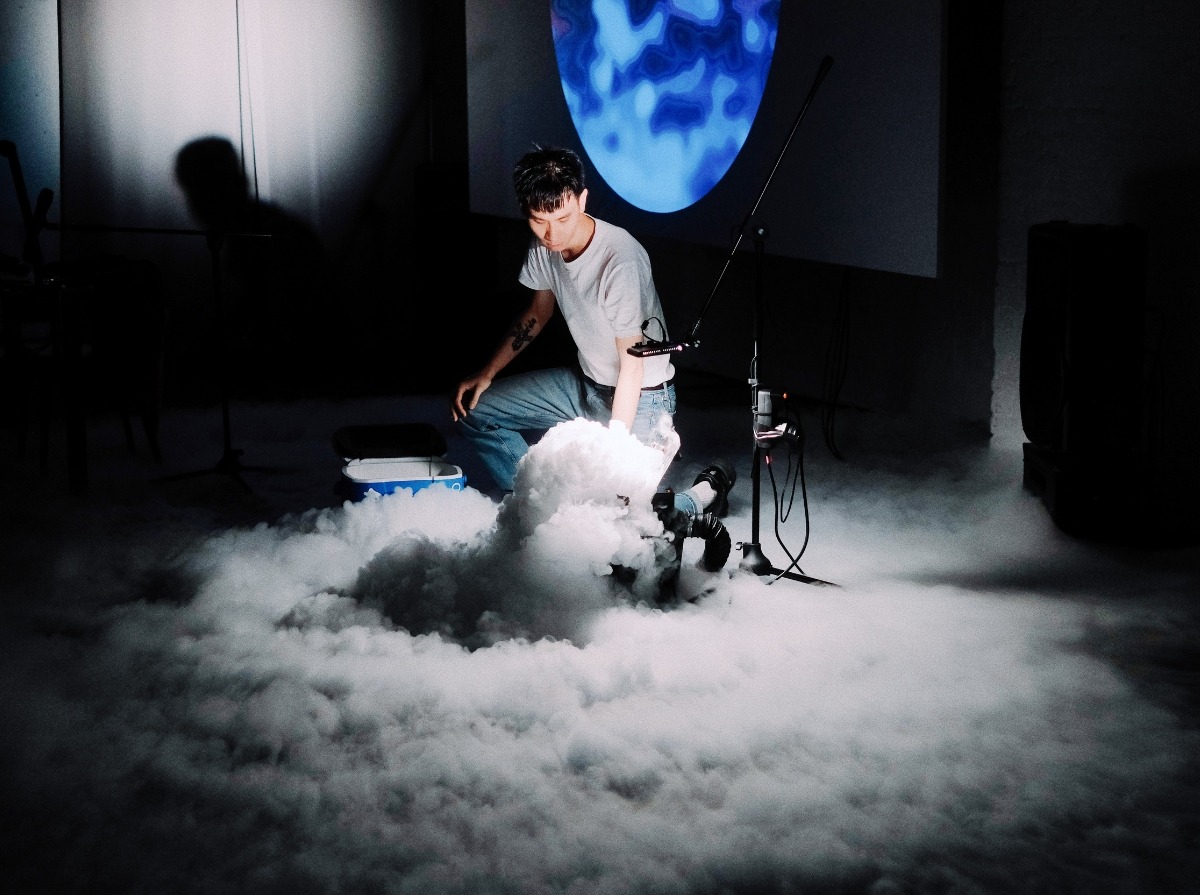
Ironically, the only performance I saw at SummerWorks that was not programmed as a dance work may have been the most meticulously choreographed one. This is part two of my SummerWorks coverage, featuring two works presented at Daniels Spectrum's Aki Studio: Ping-Hsiang Wang / k*hole Karaoke's Retina Maneuver and Syreeta Hector's No(body). If you missed part one, featuring Marcus Merasty's Golden Rez Dog and Tandava (தாண்டவம்) by Nova Bhattacharya and Suvendrini Lena, you can find it here.
Ping-Hsiang Wang / k*hole Karaoke's 55-minute Canadian premiere, Retina Maneuver, is an absolutely incredible piece of theatre, both in form and content. At first, it feels almost like we're snooping through Wang's computer with him. He pulls up his Apple Calendar, Spotify playlists, Amazon purchases, personal photos, and other pieces of his digital life in real time, using them to reconstruct his memories and relationships. Some appear directly on the screen behind him as projected from his computer, while a camera positioned over his desk allows him to layer physical photographs and materials over these digital images.
There is something endearing about watching someone piece together their life through the mundane digital evidence we all leave behind. It makes you want to dive into your own. Who knew your Amazon purchase records could be so romantic? Wang introduces us to the people in his life through these fragments, and over the course of the performance, you begin to fall in love with him and his fun loving personality.
At the centre of it all is Alicia Keys' Girl on Fire, a song Wang has sung countless times in karaoke bars. Its release date, September 4, 2012, becomes a marker as he tries to place himself within the timeline of his own life.
His casualness, however, is precisely constructed. Every second of Wang's movement and script seems accounted for. He moves between his computer screen and physical materials precisely and rhythmically, manipulating several layers of information while never losing the easy, conversational quality of his performance.
And then the floor drops out from under you.
I won't tell you exactly how, because discovering what Wang has been building toward is one of the most powerful parts of the experience. But the personal archive we've been happily digging through begins to exist alongside another archive: images and realities of war.
Wang is a Taiwanese military reservist, and suddenly the seemingly mundane act of trying to locate himself within his own past carries the weight of an uncertain future. The people and places we've spent the performance getting to know are no longer simply memories of Wang's past, but part of a future that suddenly feels much less certain.
Retina Maneuver is an important piece of theatre and a work that deserves to be seen far and wide. By the end, I was in tears, and I don’t believe that I was the only one. I will be thinking about this piece for years and years to come, I am sure.
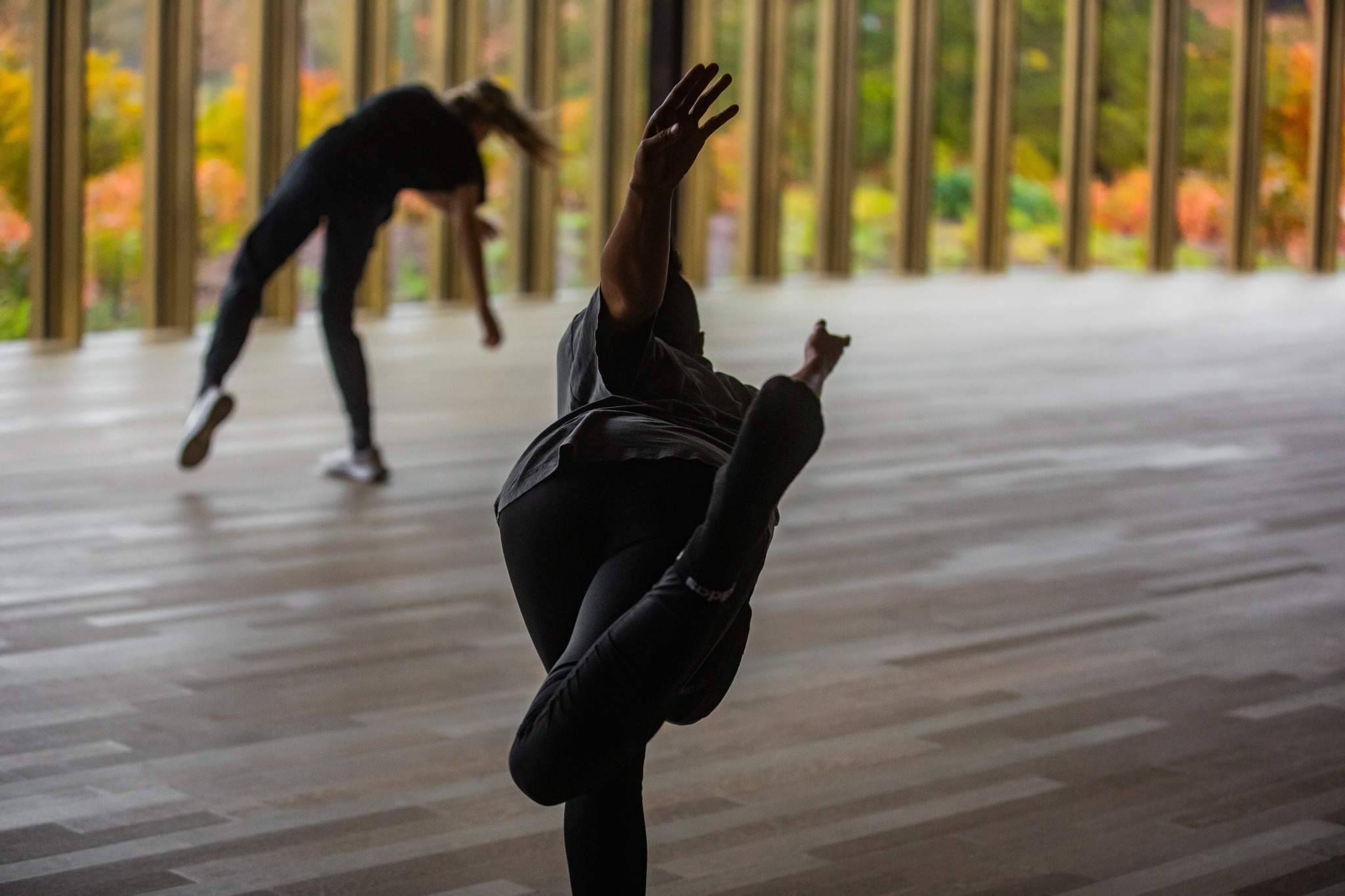
After the emotional gut punch of Retina Maneuver, Syreeta Hector's No(body) offered some much-needed comic relief. This 50-minute work-in-development takes us inside the No(body) Clinic, where patients undergo a series of check-ups and procedures designed to help them forget painful memories.
The clinic has a distinctly Black Mirror or Severance-like quality, taking something deeply human and filtering it through the cold, absurd logic of an institution promising to fix it. Hector plays with pop culture references, theatrical performance, and dance to build the strange world of the clinic.
One of the best parts of the performance is its ensemble. Hector is joined by J. Adam Brown, Amaka Umeh, Emily Duckett, and Jane Alison McKinney, a group that you can tell is having a blast together while also being very talented. They commit completely to the absurdity of the clinic, making its strange procedures and characters all the more fun to watch.
But there is grief sitting underneath all that comedy. The ending of the showing points toward child loss, suddenly giving much greater weight to the clinic's promise of forgetting painful memories.
This work-in-development was unapologetically just that, but really, it felt more like a taste of an exciting performance to come. Hector has created something that is already fun and compelling. I'm interested to see how the work continues to balance its storyline and how dance finds its place within that world.
I was throughly impressed with the works I was able to see at SummerWorks, all packed into one afternoon and only a five-minute walk between theatres. With so many performances to choose from, the hardest part was deciding what to see. SummerWorks continues through August 16, so there is still time to lots of this year's festival.
The SummerWorks 2026 Festival runs until August 16, 2026. For more information, visit SummerWorks.ca or follow @SummerWorksFun on Facebook, Instagram, and X. Tickets can be purchased here.
Photo 1: Photos of Ping-Hsiang Wang in Retina Maneuver. Photo by Hang Su.
Photo 2: Photo by Kendra Epik of No(body).
Written by Deanne Kearney
DeanneKearney.com @deannekearney
0 Comments Add a Comment?